The Quiet Tuesday After the Big Saturday: Looking After Pacific Internationals Back at Club
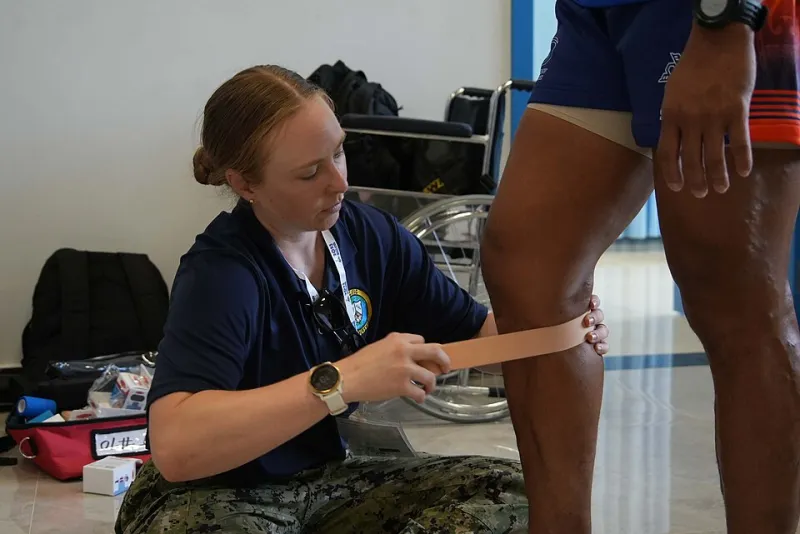
Photo: U.S. Army photo by Cpl. Thomas Crivello, Public domain, via Wikimedia Commons
Autumn Test weekends are loud. There are anthems, packed stands, family group chats lighting up and a player carrying the hopes of more than one island. Then comes the quiet Tuesday back at the club. That is where the welfare work really starts.
A Pacific international returning from the 2026 autumn Tests is not simply a player rejoining training. They may be exhausted, carrying a knock, processing a emotional high, or dealing with family expectations that followed them across several time zones. The club's first instinct should not be to ask when they can play again. It should be to ask how they are.
Before they are back in the building
Get the basics early, with the player's consent. Ask for travel details, arrival time, any injury information shared by the national team medical staff, and whether they need anything at home before their first day back. Do not rely on social media clips to work out how they are.
Name one point of contact. A player should not have to repeat the same story to the coach, the team manager, the physio and the chairman. Arrange a lift from the airport or station if that helps. Check that their accommodation, food and kit are sorted. Small practical things become big things when someone is jet-lagged.
The first seventy-two hours
Travel is a welfare issue. Long-haul routes from the Pacific often involve multiple airports, delayed connections and disrupted sleep. A player may arrive in the UK looking fine and then hit a wall two days later. Do not schedule a full training week just because they are technically available.
Offer a graduated start. Sleep, hydration and recovery come before heavy sessions. If there are medical concerns, the club doctor should be involved early. The message should be clear: we are looking after you first, and rugby decisions come after that.
Ask about the person, not the performance
First conversations can set the tone for weeks. Try 'How are you feeling after all that travel?' rather than 'Why didn't you get on?' Ask how it was to see family, what they need this week, and whether anything is sitting unresolved. Do not turn the return into a performance review.
There can be an emotional letdown after a Test window. The adrenaline drops, the crowd disappears and club rugby can feel strangely ordinary. A player may be quiet, irritable or withdrawn. Normalise that without diagnosing it. If it persists, involve the welfare lead and the right health professionals.
Family expectations and money
Pacific internationals can carry a lot of pride and a lot of requests. Relatives may expect support, communities may have contributed, and the player may feel pressure to be generous. Do not pry into family finances. Do ask whether practical help would be useful, such as signposting to confidential financial advice or helping them understand deductions and expenses.
Be alert to scams and bad advice that can follow a high-profile window. Keep the conversation neutral and private. The aim is to support the player's choices, not to manage their family for them.
Injury communication
If a player comes back with an injury, clarity matters. Share information only with consent. Make sure the national team and club medical teams have spoken. Give the player a written plan in plain English: what the injury is, what happens next, who to contact and when they will be reviewed.
Do not announce an injury on club social media before the player and their family know. If the injury affects income, contract talks or visa arrangements, bring in the right advisers early. Guessing is not support.
The first training week back
A sensible return might include gym work, skills, recovery sessions and meetings rather than a full-contact proving ground. The coach should say out loud that the player is being looked after. Selection conversations should be honest but kind, and public criticism after international duty rarely helps anyone.
Pair the player with a buddy who knows the club routines. Make sure they have someone to eat lunch with, a route to church or community groups if they want one, and a clear idea of the week ahead. Small routines are stabilisers.
The dip after the anthem
International rugby can be an identity peak. Returning to a wet Tuesday night in National League or Championship rugby can feel flat by comparison. Check in on day three, day ten and day twenty-one. Keep the questions simple: how is sleep, how is food, have you spoken to home, how are you feeling about training?
If a player is withdrawn, drinking more, sleeping far more than usual or talking about being a burden, escalate. In the UK, the Samaritans are on 116 123, and the club GP or the Rugby Players Association can point towards further support.
A club checklist for the return leg
- Name one point of contact for the player.
- Gather travel and injury information with consent.
- Arrange rest, transport and a graduated first week.
- Delay performance reviews until the player has settled.
- Put injury plans in writing and in plain English.
- Ask about family and money sensitively, without prying.
- Assign a buddy and protect simple routines.
- Check in at day three, day ten and day twenty-one.
- Review the plan after two weeks.
The autumn Tests end. The return leg does not have to be an afterthought. With a quiet Tuesday handled well, a club can show a Pacific international that they are valued for more than the next Saturday.