More Than a Plate: Post-Match Hospitality That Actually Includes Pacific Players

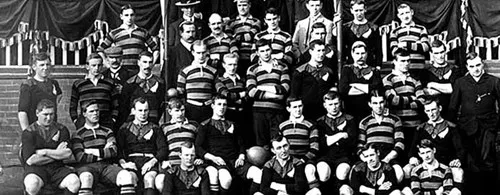
Photo: Jaggery, CC BY-SA 2.0, via Wikimedia Commons
The final whistle goes, the mud comes off, and the clubhouse fills up. In lots of UK clubs, that is where the real business of belonging happens: a tray of sandwiches, a pot of tea, a plate passed across the table. For a Pacific player who has just moved halfway round the world, that plate can matter as much as the session plan.
Post-match food is not just recovery. It is a signal that you are expected, that there is a place for you at the table, and that the club sees you as a person rather than a player who turns up on Saturdays. Get it right and it quietly builds trust. Get it wrong and it can make a player feel like a guest who has been given the wrong order.
Start with the welcome, not the menu
The first question is not ‘what do Pacific players eat?’ It is ‘does everyone know they are welcome to eat?’ A simple, consistent invitation — players, coaches, volunteers, family — does more than a themed menu. Make sure new players know where the food is, what it costs, and whether they can bring someone.
If the club charges for post-match food, say so clearly and early. A player on a tight budget should not have to work out whether they can afford to stand in the queue. A small hardship fund, a ‘first meal is on the club’ rule or a simple pay-what-you-can approach can remove an invisible barrier.
Ask early, ask privately, ask properly
Dietary conversations work best before the season starts, not five minutes before the food is served. Add an open question to your player welcome form: ‘Is there anything you prefer to eat, avoid or need to know about food at the club?’ Leave space for a written answer instead of a list of tick boxes that never quite fits.
Ask privately if a player has health needs, allergies, religious or cultural preferences, or simply foods they do not enjoy. Pacific players are not a single food group. Samoa, Tonga, Fiji, Papua New Guinea, Niue, the Cook Islands and other Pacific communities have their own traditions, family habits and personal tastes. A player may love a roast, or may be fed up with being offered one because it is the only ‘island food’ the club knows.
Avoid the well-meaning assumptions
There is a fine line between hospitality and pigeonholing. Do not assume every Pacific player wants taro, coconut, corned beef or huge portions. Do not assume they all eat meat, or that faith and fasting are irrelevant. Do not make a player the official taster for a dish they did not ask for.
Equally, do not treat ‘British food’ as the neutral option. A player might be missing familiar food, struggling with the cost of ingredients, or finding the local diet hard to manage alongside training. The useful question is not ‘what do Pacific people eat?’ but ‘what works for this player, this week, with this budget and this kitchen?’
Build a menu that has room in it
Good club catering does not need to be complicated. It needs to be clear, labelled and flexible. Think about recovery basics: fluids, carbohydrates, protein, fruit and vegetables. Then think about choice. A plain rice or pasta option, a vegetarian dish, a halal or clearly labelled meat option, and a couple of sauces on the side can make the same meal work for more people.
Label allergens. Keep a list of ingredients. Ask volunteers to avoid cross-contamination where they can. If the club is doing hot food, batch-cook soups, curries, chilli or stews and offer rice, bread and salad alongside. If it is sandwiches, add fruit, yoghurt, boiled eggs or a vegetarian filling. None of this has to be expensive or exotic.
Share the planning, not just the washing-up
Ask players what they would like to see on the post-match table. Not as a demand, but as a genuine invitation. A rotating ‘player’s choice’ week can be a lovely way to share food without putting anyone on display. If a player wants to cook a family dish, support them with the shopping budget and kitchen access — but do not make it a condition of belonging.
Volunteers should not have to guess. A short food chat at the start of the season, a named contact for dietary questions and a simple feedback box after meals can stop small problems becoming awkward ones.
The plate is a welfare tool
A player who is not eating properly after training or matches will struggle with recovery, mood and energy. A player who feels watched or stereotyped at the food table may quietly stop coming in. A player who is included in a normal, relaxed club meal gets something that no nutrition leaflet can provide: a room full of people who expect to see them next week.
So yes, get the recovery basics right. But do not lose the human bit. Pass the plate, ask the question, and make room for the answer. That is post-match hospitality worth building a club around.