Before the Pen Hits Paper: Auditing the Welfare Promises in Pacific Recruitment

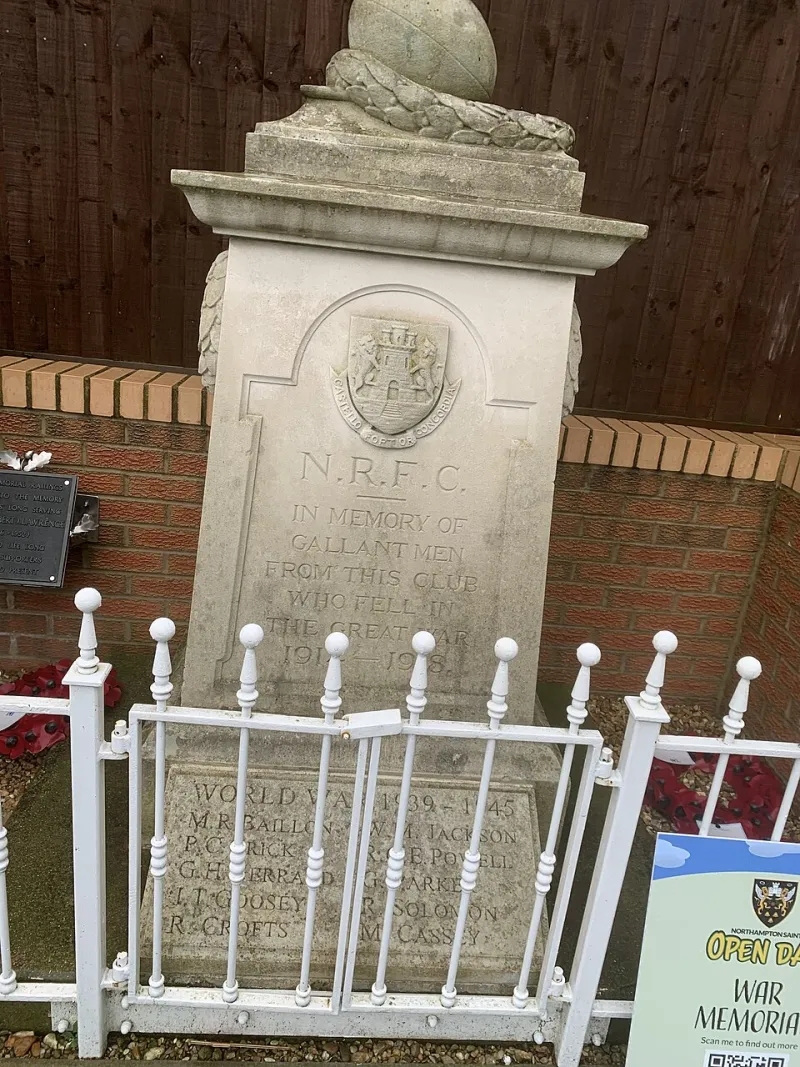
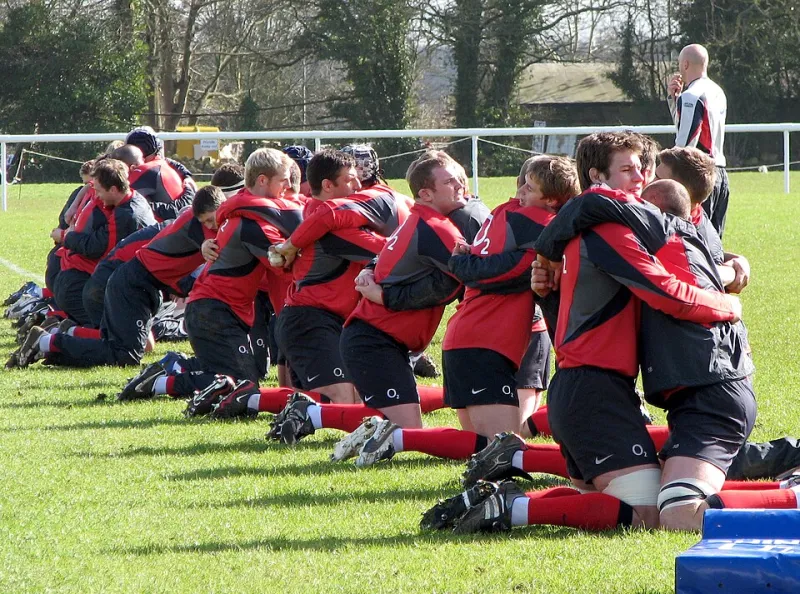
Photo: Unknown authorUnknown author, Public domain, via Wikimedia Commons
Every recruitment conversation contains promises. Some are written. Many are not. A club says there will be housing, help with a visa, a job, a church connection, a fair shot at the first team and a family feel. The player hears security. The club hears ambition. The gap between those two readings is where welfare problems start.
This is not a legal checklist, and it is not a reason to stop recruiting Pacific players. It is a reason to audit the promises first. Recruitment is a welfare decision as much as a rugby one.
The promise is part of the package
Clubs audit kit, budgets, coaching qualifications and travel costs. They should audit welfare promises with the same seriousness. If a promise cannot survive a spreadsheet, it is probably not a promise. It is a mood.
A useful starting point is simple: write down every promise made to the player and the family, then ask who owns it, what it costs and what happens if it fails. Do this before the pen hits paper, not after the first wet Tuesday.
Housing: write it down, then visit it
Ask where exactly the player will live. Who else lives there? What is the rent or contribution? Is there a deposit? How is the room heated? How far is it from training and work? Is there a lock on the door? A spare room is not a placement until it has a bed, a lock and a route to training.
If housing depends on a host family, check the expectations on both sides. Food, laundry, privacy, guests, faith and quiet time should be discussed. A player who is grateful for a roof still needs a place to breathe.
Visas and agent fees: the quiet risk
Visa expectations must be checked by someone who knows UK immigration rules. Clubs should not improvise, and players should not arrive with unclear status. Signpost accredited immigration advice where needed. 'We will sort it' is not a plan.
Agent fees are another quiet risk. Who pays? Is the player paying for an opportunity? Is the fee clear in writing? A recruitment pathway that depends on a player taking on hidden debt is not a pathway. It is a trap with a fixture list.
Family support is not a bonus
Pacific players often make decisions with family, not just themselves. A contract that ignores remittances, dependants, church community and the cost of calling home is incomplete. Family support does not mean paying relatives. It means realistic budgeting, honest communication and a club that understands the player is part of a wider village.
Ask what the player is sending home and whether the UK plan still works after that. If it does not, say so early. That conversation is kinder than a signed contract built on wishful thinking.
Pathways need a map, not a mood board
Be honest about the rugby pathway. First team? Bench? Development squad? What happens after injury? Is there education, work or coaching experience attached? Promising 'exposure' without a plan is not recruitment. It is marketing.
A good audit asks what the player will do on a Wednesday morning in February when the season is hard, the weather is worse and the phone call home is expensive. If the answer is 'train and see', the club has more work to do.
When things go wrong
Every recruitment plan should have a fallback. Who is the named welfare contact? What is the grievance route? What happens if the player is injured, dropped or homesick? Is there a housing backup? Is there a return-ticket conversation? A welfare promise does not vanish when the player stops being selected.
A five-question audit
- Can we show the player every promise in writing?
- Who is accountable for each promise, and what is their phone number?
- What does the move cost the player, including agent fees and family commitments?
- What is the fallback if housing, visa, work or selection goes wrong?
- Would we accept this arrangement for our own child?
Recruitment is welfare
None of this is anti-recruitment. It is pro-player, pro-club and pro-community. A club that audits its promises recruits better because it knows what it can deliver. A player who arrives with clear expectations is more likely to settle, stay and thrive.
The pen is powerful. Before it hits paper, make sure the welfare promises are real enough to survive a British winter, a bad injury and a long phone call home.