Cold Hands, Long Nights: Helping a Pacific Player Through Their First British Winter
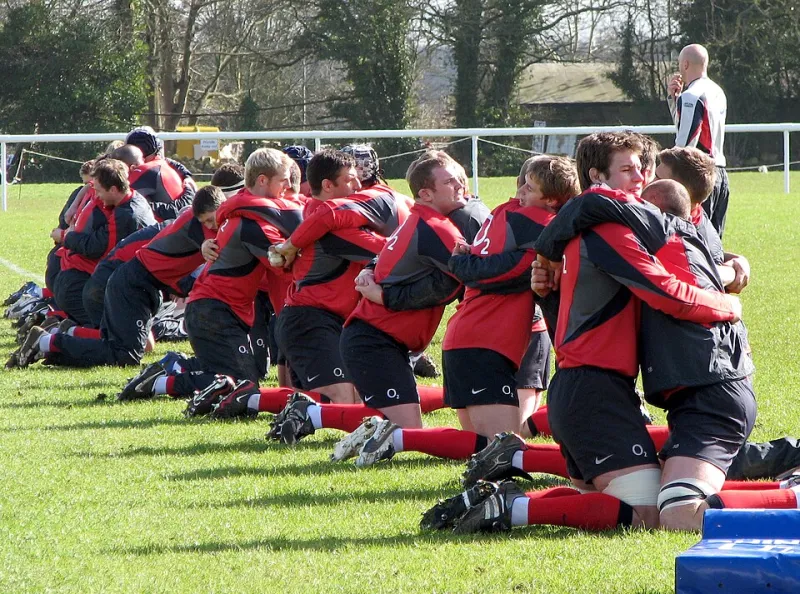
Photo: Adrian Pingstone (Arpingstone), Public domain, via Wikimedia Commons
British winter has a reputation for being grey rather than dramatic. For a player who has grown up with warm evenings, church halls that double as community kitchens and a family network a short walk away, the first UK winter can feel less like weather and more like a second job. It is not just about temperature. It is about light, routine, money, food and the strange feeling of being far from home while everyone else seems to be getting on with Christmas.
Start with the light, not the weather
Clubs often spot the weather first. They buy gloves, hand out beanies and tell players to layer up. All useful. But the shorter days can be the bigger shock. A player training in the dark, travelling home in the dark and waking up to a dark morning can feel flat without knowing why.
Vitamin D is worth a conversation with a GP or pharmacist, especially for players with darker skin, who may need different advice. But clubs should not play doctor. Signpost the conversation, make the appointment feel normal and do not turn a welfare chat into a prescription.
Clothes that actually work
Do not assume a new arrival owns a proper coat. A hoodie is not a winter coat. A club coat is kit; a warm coat is welfare. Ask gently whether they have waterproof shoes, a thick jumper, thermals, decent socks and something that keeps the rain out on a Tuesday night.
A coat swap or a small kit-cupboard fund can solve more than it costs. Host families can help without making it awkward: check what is already there, offer a spare waterproof, and explain that layers matter more than one expensive jacket.
Food, warmth and the shared kitchen
Food is homesickness with a plate. A player may be skint, unsure how to cook for a British winter or missing the food that makes a place feel like home. Shared cooking nights, a slow cooker and a club pantry with rice, tinned goods and familiar spices can do a lot.
Ask before assuming. Some players will be fine. Some will be skipping meals to save money, and that is a welfare flag, not a lifestyle choice. Keep the conversation private and practical. If money is tight, point to the club welfare officer and any hardship fund rather than making it a public appeal.
Travel in the dark
Commutes feel different when it is dark at 4pm. A 20-minute walk can feel longer when it is wet, cold and unfamiliar. Check the route, not just the distance. Pair new players with a buddy for lifts, bus routes and bike lights. A simple text to say the minibus is running late can matter more than a team talk.
Homesickness has a timetable
December can be brutal. Family time zones make calls awkward. Social media shows everyone else at the beach. Clubs can help by being steady rather than spectacular: a weekly check-in, a place at the table and an invitation that does not require them to ask twice.
Ask open questions. If sleep, appetite, drinking or mood changes persist, signpost to a GP and the club welfare officer. For urgent mental-health support in the UK, Samaritans is available on 116 123. If there is immediate risk, use emergency services. Clubs should record actions with consent and keep the player in charge of their own story.
For host families
Host families are not support workers, and they should not be left to guess. A quiet space, clear house rules, a conversation about food and laundry, and a weekly check-in can prevent small problems becoming big ones. Ask about culture and faith. Do not assume that a spare room is a placement until it has a bed, a lock and a route to training.
A club checklist for the first winter
- Assign a winter buddy, not just a pre-season buddy.
- Check coat, footwear, waterproofs and training layers.
- Signpost vitamin D advice through a GP or pharmacist.
- Ask about food, warmth and money privately.
- Map the travel route and share lift options.
- Check in on homesickness after six weeks and again in January.
- Signpost medical and mental-health support clearly.
- Review the plan with the player, not about them.
What to signpost, not solve
Clubs are good at practical help. They are not clinicians. A GP, NHS 111, Samaritans, the club welfare officer and a trained mental-health first aider are all better placed than a coach with a clipboard. The welfare win is not fixing everything. It is noticing early and handing over well.