Before the Contract Lands in a DM: Safeguarding Pacific Players from Informal Recruiters

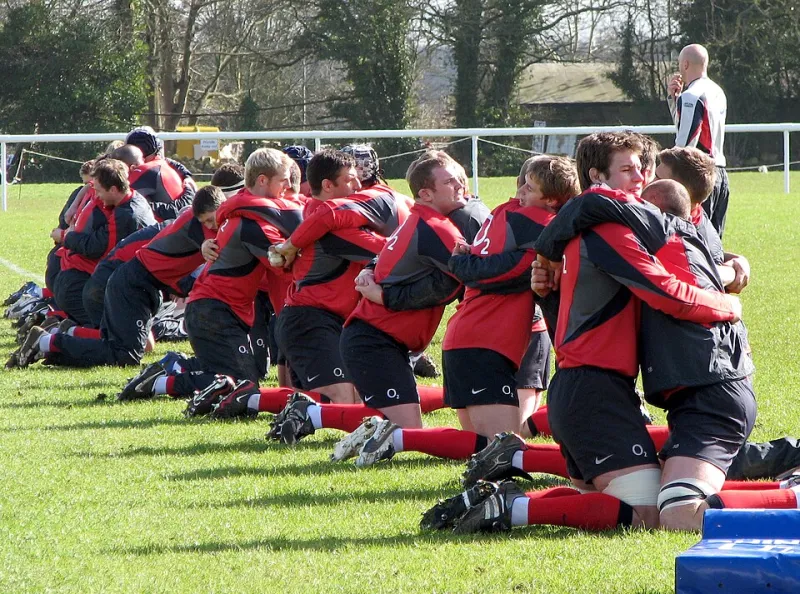
Photo: gepiblu, CC BY-SA 2.0, via Wikimedia Commons
Unofficial recruitment doesn’t usually arrive with a letterhead. It arrives as a WhatsApp message from a cousin, a Facebook post from a ‘club contact’, or a voice note from someone who knows someone who once played in the UK. For a young Pacific player with a rugby dream, that can feel like the door opening. For a UK club, it can be the moment a welfare problem starts quietly in the background.
This isn’t about shutting down family networks. Word of mouth has long been part of how Pacific players find opportunities, and it can be a force for good. The issue is the grey area: people who act like agents without being licensed, middlemen who charge for introductions, and ‘contacts’ who promise the world but cannot name the club, the coach or the contract.
Why the group chat matters
A player may be thousands of miles from the club they are being sold. They may not know how UK club structures work, what a standard contract looks like, or who to ring when something feels off. If the only person guiding them is an unofficial recruiter, the power balance is already tilted.
That matters for welfare. A bad informal move can leave a player isolated, out of pocket, unsure of their visa position or stuck in accommodation that depends on someone else’s goodwill. By the time the club meets them, the problem may already be embedded.
Warning signs clubs should recognise
- The approach is unsolicited and comes through a personal social media account rather than a club or agency address.
- The recruiter cannot or will not name the club, the league, the coach or the person who will meet the player at the airport.
- There is pressure to decide quickly, often with a deadline that feels designed to stop the player asking questions.
- Money is mentioned early: a ‘registration fee’, ‘introduction fee’, ‘visa help’ payment or a request to send documents to a personal account.
- The player is told not to speak to their current club, their family or a welfare officer until things are ‘sorted’.
- The offer sounds bigger than the level: international caps, professional wages or guaranteed sponsorship that do not match the club’s actual position.
- The recruiter offers immigration or visa advice without being clearly regulated to do so.
- The player is asked to sign something they have not had time to read, or to agree to terms only over a voice note.
Questions a player can ask — and a club can help with
If a player brings an informal approach to you, the first job is not to pour cold water on the dream. It is to slow things down and help them ask better questions.
Who are you, and who do you represent? Which club has actually made this offer, and who at that club can confirm it in writing? Is there a contract, and has the player had independent advice on it? What costs are involved, who pays them and what happens if the move does not work out? What support is in place for accommodation, transport, food, insurance and wellbeing? Can the player speak to the club’s welfare officer or safeguarding lead before agreeing anything?
In the UK, immigration advice is regulated for good reason. If a recruiter is offering visa guidance, players should be signposted to a regulated adviser or solicitor, not a middleman with a mobile number. The same goes for contract advice: a friendly voice note is not the same as proper representation.
A simple club protocol
- Listen without judgment. A player may feel embarrassed or worried about losing the opportunity. Thank them for telling you.
- Do not dismiss family or community networks. Ask who introduced the contact and whether the family knows the full picture.
- Verify through official channels. Contact the named club directly using published details, not the details in the message. If the approach claims to involve a league or union, check with them.
- Involve the club welfare officer or safeguarding lead early. Keep the player at the centre and agree who is speaking to whom.
- Record what has been shared. A short, factual note of dates, names and promises helps everyone see the pattern.
- Signpost regulated advice for contracts, visas and money. Do not let a volunteer become an immigration adviser by accident.
- Keep the player connected. Encourage them to talk to family, a trusted coach and, where appropriate, the Pacific rugby community around them.
- Review the club’s own recruitment. Publish a named contact for player welfare and make sure any informal approach can be checked against it.
The bottom line
Most people in the group chat mean well. Some do not. The difference is often invisible to a young player who is excited, homesick or under pressure. UK clubs cannot control every message a player receives, but they can make sure no one has to work out the grey area alone.
A five-minute conversation, a verified phone number and a written offer are not glamorous safeguards. They are exactly the kind of small, practical welfare that keeps a Pacific player’s move from turning into a cautionary tale.