Not a Nod and a Smile: Building Language Support Into Pacific Player Welfare
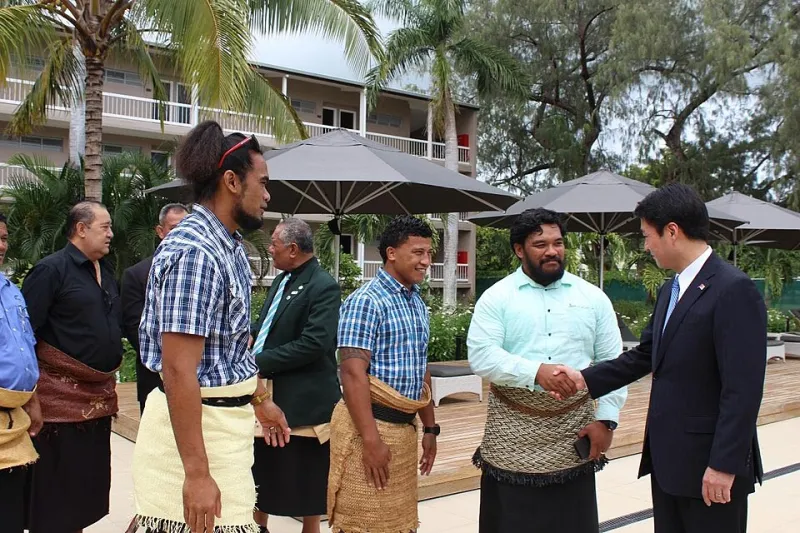
Photo: The Embassy of Japan in the Kingdom of Tonga, CC BY 4.0, via Wikimedia Commons
There is a particular kind of silence that should worry a welfare officer. It is not the silence of a player who is thinking. It is the silence of someone who has understood just enough of the sentence to know they should probably nod.
Pacific players arriving in UK rugby often manage several languages before English comes into it. That is a strength, not a deficit. But a club can still get itself into trouble by assuming that a player who handles a training session, a team WhatsApp group and a joke in the changing room is equally comfortable in a GP surgery, a safeguarding meeting or a conversation about contract terms. Language support is not about treating anyone as fragile. It is about making sure the important stuff lands.
Fluency Is Not a Single Switch
English fluency is not a light that is either on or off. A player might be fluent in rugby English — ruck, maul, scan, fold, latch — and still find it harder to follow a fast-talking physio, a solicitor on a video call or a landlord explaining a deposit scheme. They might understand the words but miss the tone. They might be able to ask for a coffee but not challenge a decision that feels wrong.
That is why the first step is not booking an interpreter for every conversation. It is asking better questions. Instead of “Is your English okay?”, a club might ask: “Which conversations do you want support with?” and “Would you rather have someone with you for medical appointments, or would you prefer we send written notes afterwards?” That gives the player control and avoids the awkward assumption that because someone has an accent, they need help with everything.
Put Language on the Welfare Plan
A welfare plan that covers housing, transport, money and medical care should also cover communication. Not as a separate box marked “language issues”, but as part of the ordinary rhythm of support. At the start of the season, a club can ask each Pacific player — and any other player who speaks English as an additional language — what works best for them.
Some will want an interpreter for medical appointments. Some will want a trusted club staff member in the room. Some will prefer written summaries they can read later or translate with family. Some will say they are fine and mean it. The point is to record the preference, review it and make it easy to change. A player who is coping in September might find the winter harder, or a new injury might make concentration more difficult.
Use Professional Interpreters for the Conversations That Matter
There is a time for a teammate to help with a takeaway order and a time for a qualified interpreter. Medical appointments, mental health conversations, contract discussions, disciplinary meetings, safeguarding interviews and anything involving consent should not rely on another player’s good intentions. Even a bilingual teammate can miss a clinical term, soften a bad answer or feel torn between loyalty to the player and duty to the club.
In the UK, clubs can ask their local NHS trust about interpreter services for medical appointments, and legal or contract conversations may need a professional interpreter arranged by the club or the player’s representative. The welfare officer should know how that request is made, who pays and how quickly it can happen. If the answer is “we will sort it on the day”, that is not a plan. That is a hope.
Don’t Draft in Family Members by Default
It is common for Pacific families to support each other with language. That is often generous and culturally natural. But it should not become the club’s unpaid interpreting service. Children should never be asked to interpret medical or contract information for a parent. Partners and relatives may also need their own support, especially if they are navigating UK systems too.
A respectful approach is to offer professional support first, then ask the player whether they would like a family member present as well. Those are different roles. One person interprets; another offers comfort. Mixing them can leave everyone carrying too much.
Make the Room Easier to Understand
Language support is not only about the interpreter. It is also about how the club communicates. Send agendas before welfare meetings. Use plain English in emails. Avoid acronyms that only make sense inside rugby administration. Put key points in writing after the meeting. Allow pauses. Check understanding by asking the player to explain back what they have heard, rather than asking “Does that make sense?” — a question most of us answer with yes even when it does not.
Coaches can help too. A whiteboard, a short video clip or a demonstration can carry more meaning than a long verbal explanation. New players can be paired with a settled player for the first few weeks — not as a translator, but as a guide to how the club works. That distinction matters. It keeps the role clear and stops the club from outsourcing welfare to the squad.
Respect the Culture in the Room
Pacific rugby communities are not one culture. Samoan, Tongan, Fijian, Māori, Niuean, Tokelauan and other Pasifika players may share some values and differ in others. Language support should never become a stereotype. Some players will be quiet in meetings because they are being respectful. Some will avoid eye contact with a senior figure. Some will say yes because they do not want to seem difficult. None of that automatically means they have understood or agreed.
A good interpreter does more than swap words. They understand the setting, the hierarchy and the emotional weight of the conversation. Where possible, clubs should ask the player whether they have a preference about the interpreter’s background, gender or dialect. That is not a bureaucratic question. It is the difference between a player feeling safe enough to speak and a player deciding to get through the meeting and leave.
Build It Before You Need It
The clubs that handle this well do not wait for a crisis. They have a named contact for interpreting services. They know which local organisations can help. They keep a short list of approved interpreters. They tell players at induction that language support is available and that using it will never count against them. They train staff to say: “We can arrange an interpreter for that. Would you like one?”
That last sentence is small, but it changes the room. It tells a player that the club expects communication to be a shared responsibility, not a personal test. It also protects the club. A contract conversation, a concussion assessment or a welfare meeting is only useful if everyone in the room has had a fair chance to understand it.
Rugby is a game of calls and signals. Off the pitch, the calls matter just as much. A Pacific player should never have to nod along and hope for the best. With a bit of planning, a UK club can make language support part of the welfare furniture — ordinary, respectful and ready before the first important conversation arrives.